NaaS Costs More on Paper. Here Is When It Still Wins.
Welcome back to THE IT EDGE. Renting your network costs more than buying it, and the teams signing anyway are buying something other than bandwidth.
Why does NaaS cost more?
Because you are paying someone to carry the asset. Under network-as-a-service a provider owns and operates your switches and access points for a monthly fee, and that fee sits above what the same gear would cost you outright. The vendors say so themselves. HPE treats “as-a-service costs more than capex” as a myth to address, then opens its answer with “yes, the price is higher” before pivoting to total cost of operations.
Run the five-year total, not the monthly, and headcount decides whether that premium is worth paying. A three-person team that stops owning firmware updates and hardware replacements recovers hours that go straight to project work, and those hours are the whole return. A department with real networking bench depth is paying a provider to do work it already does well. Price both paths against your actual staffing, including what those hours are worth at fully loaded cost, and run your own scenario rather than the one on the vendor’s slide.
So why do teams sign anyway?
Cost predictability leads. Teams want one monthly number covering hardware, licensing, monitoring, and refresh, with no capital request every four years. Gartner’s read on service-provider NaaS matches what we hear: enterprises want predictable cost more than they want consumption billing. For a lot of directors the appeal has less to do with the total and more to do with never defending a six-figure ask in a budget meeting.
When should you have this conversation?
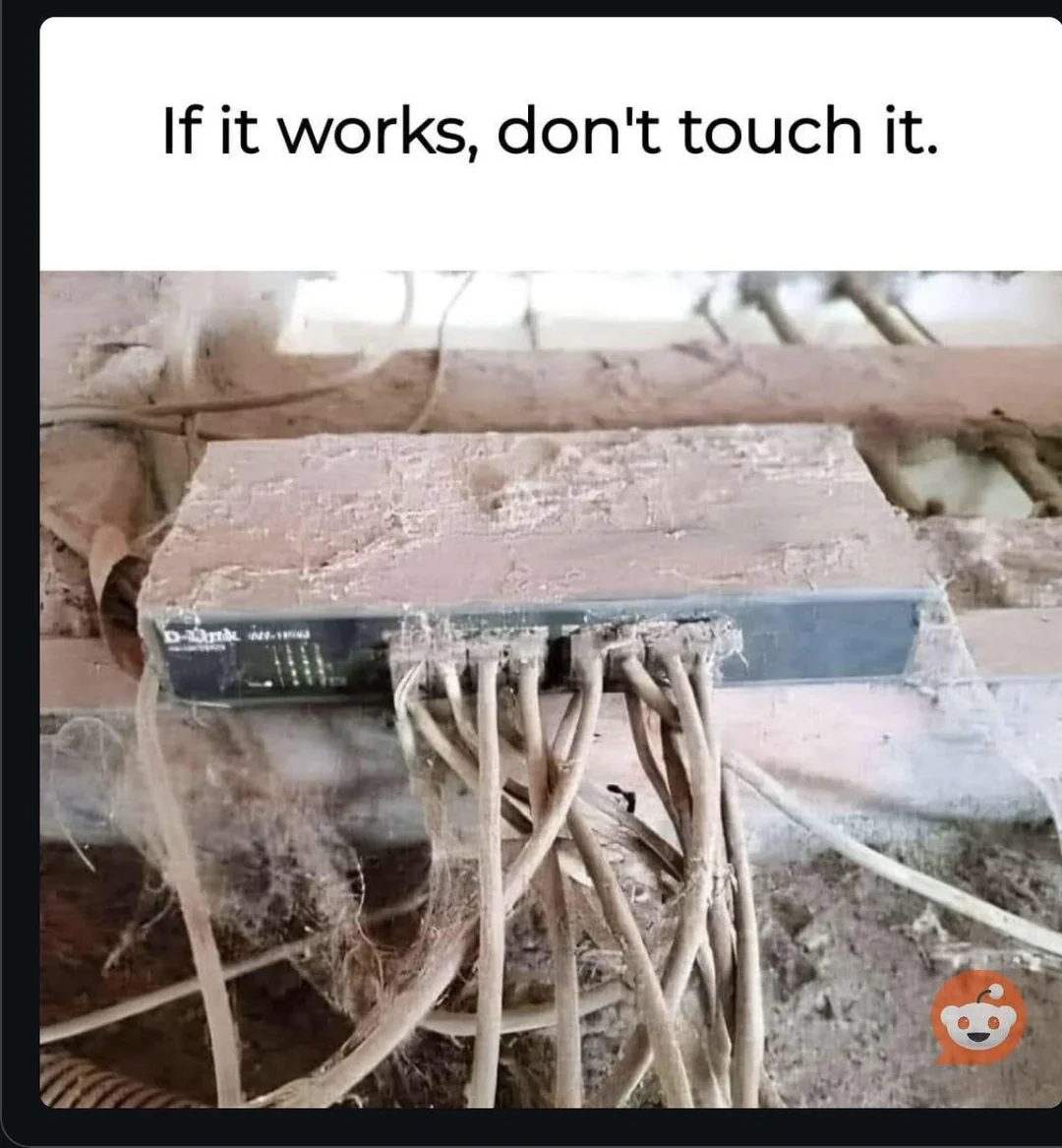
The refresh cycle sets the timing. NaaS makes the most sense at the moment you would otherwise write a large check, which for most shops is the wireless upgrade or an access layer running out of road. Signing mid-cycle means paying a subscription for gear you already own.
Wi-Fi 7 is what pulls buyers off the sidelines this year. Those access points need switch uplink upgrades to perform, which turns a wireless project into a wired-and-wireless co-refresh. That is the shape of a campus NaaS bundle.
Past that, there is no rush. Gartner expects NaaS to reach roughly 15 percent of enterprises by 2028, and campus NaaS is earlier still. The market is a slow build, so evaluate on your calendar rather than a vendor’s quarter.
Where EdgeTeam Fits
Reach out to EdgeTeam for a quick consult on whether NaaS fits your refresh timeline and budget. We will walk through your current stack, compare it against the subscription math, and give you a straight read.
Start Your 2027 Planning With EdgeTeam
That’s it for this edition of THE IT EDGE. We’ll be back in October with more from the network side.